.png)
How to Create a 2-Day Corporate Offsite Agenda That Balances Work & Fun
We have all sat through the dreaded marathon retreat.
It starts with an overly ambitious schedule circulated via email three days before departure. The document is an impenetrable grid of 45-minute blocks running unbroken from 8:00 AM to 7:30 PM. Every department head has claimed a speaking slot to walk through a 40-slide deck with tiny font sizes. The promised "relaxation and team bonding" turns out to be a rushed dinner where exhausted colleagues stare bleary-eyed into their phones, trying to catch up on two days of unanswered Slack messages.
By the time everyone packs into transit on Sunday afternoon, the consensus is universal: That could have been an email.
When an offsite goes wrong, it is almost never because the venue was subpar or the food was cold. It fails because the schedule disregarded basic human physiology. An offsite is not an ordinary workday in a prettier location; it is an emotional and cognitive investment.
Pulling people away from their desks, families, and everyday routines requires an intentional corporate offsite agenda. An effective agenda strikes a delicate equilibrium: it creates the mental clarity needed to tackle sticky strategic problems while giving team members the emotional breathing room to build real, unforced human connections.
If you have two days to bring your organization together, here is how to design an agenda that leaves your team aligned, energized, and genuinely glad they came.
The Philosophy of the 2-Day Sweet Spot: Why 48 Hours Works
Two days is the operational standard for corporate retreats for good reason. A single day feels rushed; people arrive preoccupied with their morning commute and leave before evening conversations can develop any depth. Three or four days, on the other hand, often tests team endurance, pushes budgets to extremes, and creates immense anxiety around neglected client deliverables.
Forty-eight hours provides the ideal psychological arc:
- Day 1 is about Decompression and Alignment: Shedding the daily operational noise, grounding the team in the company vision, and facilitating candid, cross-functional discussions.
- Day 2 is about Collaboration and Shared Experience: Turning high-level strategy into tangible action plans, engaging in collaborative experiences outside the conference room, and celebrating collective momentum.
To make 48 hours work, you have to treat attention as your rarest, most perishable currency. You cannot run corporate offsite planning on an eight-hour continuous lecture loop and expect creative thinking. Focus works in short, sharp bursts; true camaraderie emerges in the unstructured margins between them.
The 4 Golden Rules of Agenda Architecture
Before putting a single time block on paper, commit to four non-negotiable structural rules.
Rule 1: The 50/30/20 Rule
A great corporate retreat divides total waking hours across three fundamental pillars:
- 50% Dedicated Work & Strategy: High-leverage executive presentations, interactive workshops, and focused breakout sessions.
- 30% Structured Social & Experiential: Shared culinary experiences, collaborative outdoor problem-solving, and intentional team-building.
- 20% Unscheduled White Space: Open time for personal rest, walking conversations, impromptu catch-ups, or simply sitting by the pool without a mandated objective.
Rule 2: Death to Status Updates
If a presentation only delivers historical status updates, strike it from the in-person schedule. An offsite is an expensive forum for passive listening.
- Send out performance metrics, historical charts, and project trackers as a pre-read packet one week in advance.
- Use offsite stage time exclusively for directional alignment, unresolved cross-functional friction, and future strategic choices.
- If a session does not require live debate, debate-driven consensus, or collaborative ideation, it belongs in an email.
Rule 3: The 90-Minute Attention Threshold
Adult cognitive performance drops sharply after 90 minutes of continuous focus. Design your sessions in 60-to-90-minute modules. Follow every heavy working module with a minimum 20-minute movement break equipped with clean hydration and nutrition, not just refined sugar.
Rule 4: Ban the "Forced Fun" Trap
Nothing alienates high-performing professionals faster than forced, infantilizing team-building drills. Trust exercises and awkward icebreakers run by hotel activity coordinators often backfire. High-impact team activities provide an engaging shared objective, challenge people gently outside their comfort zone, and allow natural collaboration and humor to take over.
Detailed Run-of-Show: Day 1 - The Alignment & Vision Arc
Day 1 focuses on shifting gears from operational execution to big-picture thinking, followed by an evening designed for informal social connection.
Morning Phase: Arrival, Grounding, and Setting the Vision
08:30 AM – 10:00 AM: Group Arrival, Check-In & Informal Welcome Refreshments
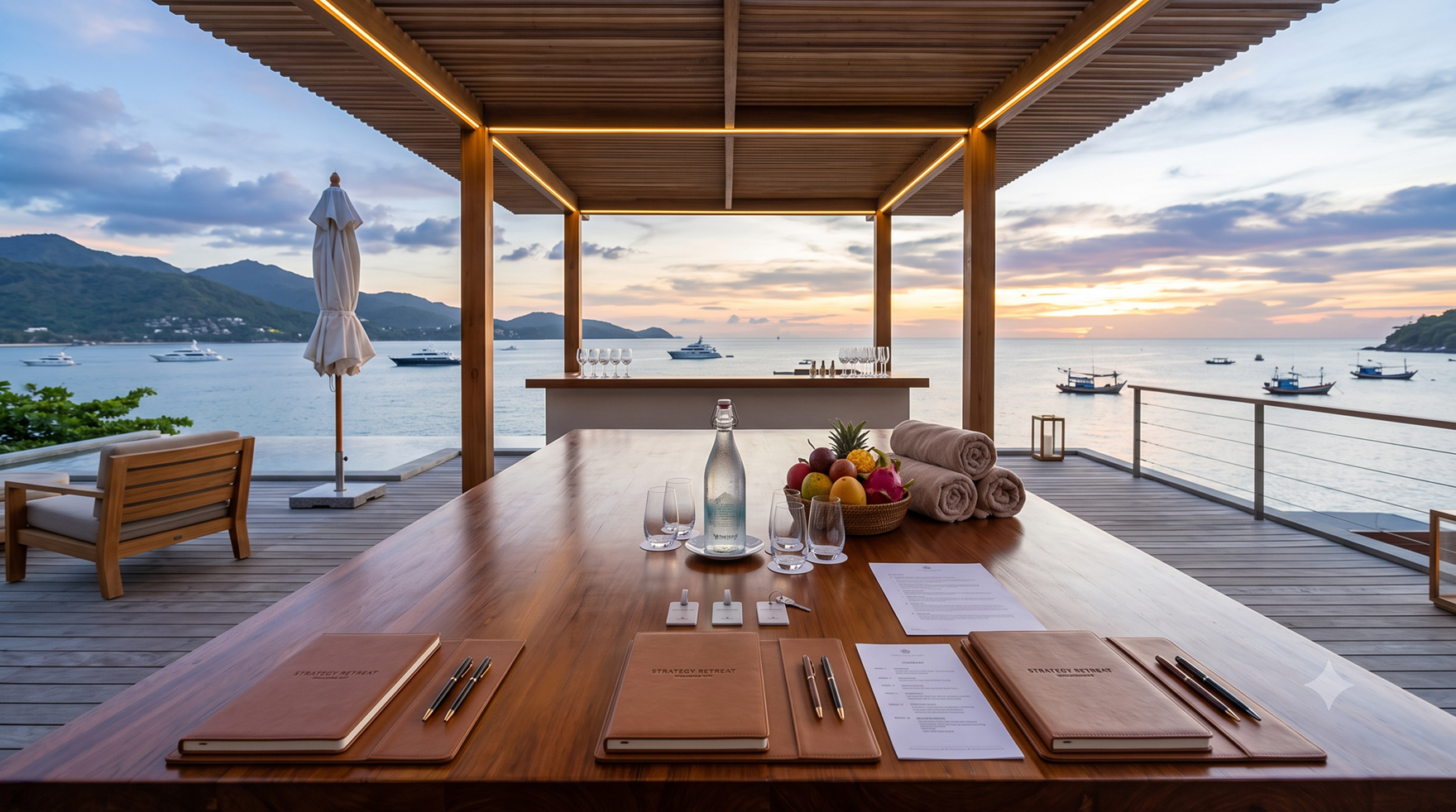
- Keep the arrival fluid. As team members step off coaches or personal transit, hand them a room key, a concise welcome kit with the print agenda, and a warm breakfast or fresh beverage.
- Give people 30 to 45 minutes to drop their bags, freshen up, and settle into the environment without an immediate call to order.
10:00 AM – 10:30 AM: Grounding & The "State of the Union" Opener
- Convene in the primary hall. Skip lengthy bureaucratic welcome remarks.
- The CEO or business unit head opens with an energetic, transparent, 25-minute overview.
- Frame the narrative: Where is the company today? What headwinds are we facing? What is the single unifying goal of the next 48 hours?
- Establish explicit psychological ground rules: title hierarchies are paused, thoughtful disagreement is welcomed, and active presence is mandatory.
10:30 AM – 11:45 AM: Session 1 - Strategic Priorities & Market Landscape
- Transition directly into the primary strategic challenge of the year.
- Rather than a static lecture, utilize a panel format with leadership or an interactive town-hall setup where attendees submit questions dynamically.
- Focus on the why behind company goals rather than granular department metrics.
11:45 AM – 12:15 PM: Extended Re-Energizing Break
- A full 30-minute break. Encourage people to step outside into natural light.
- Avoid heavy pastries that trigger insulin spikes. Offer espresso, matcha, coconut water, seasonal fruits, and nuts.
12:15 PM – 01:30 PM: Session 2 - Interactive Cross-Functional Breakouts
- Divide the company into cross-departmental groups of 5 to 7 individuals. Mix engineers with marketers, salespeople with product managers.
- Give each team a real organizational challenge to tackle. Examples: How do we cut customer onboarding friction in half? or What is one broken internal process we should eliminate next quarter?
- Keep instructions clear: 45 minutes of independent brainstorm, 15 minutes to distill three concrete recommendations onto a single poster or flipchart.
Afternoon Phase: Refueling and Deep Collaboration
01:30 PM – 02:45 PM: Leisurely Working Lunch (Outdoor or Terrace Setting)
- Move lunch out of the conference hall into a sunlit outdoor or terrace area.
- Avoid heavy buffets loaded with refined carbohydrates that induce an afternoon slump. Prioritize clean proteins, vibrant salads, and light local specialties.
- Keep seating organic; let team members naturally drift into conversation without assigned tables.
02:45 PM – 04:15 PM: Session 3 - Breakout Presentations & Open Critique
- Gather back in the main hall. Each cross-functional team delivers a three-minute lightning pitch on their solution from the morning breakout.
- Run a structured 5-minute critique after each presentation where leadership and peers provide live feedback.
- Conclude the session by having everyone vote on the top three ideas to transition into the company's official strategic roadmap for the upcoming quarter.
04:15 PM – 04:30 PM: Day 1 Business Wrap-Up & Synthesis
- The session leader distills the key takeaways from the day’s work in 15 minutes.
- Explicitly acknowledge the hard problems brought to light.
- Transition the team's mindset: The laptop portion of the day is officially closed.
Evening Phase: Recovery, Unstructured Time, and Organic Socializing
04:30 PM – 06:30 PM: Protected Personal White Space
- This two-hour block is non-negotiable. Do not schedule an impromptu activity here.
- Let introverts retreat to their private rooms to recharge. Let team members clear urgent family or work emails so their minds are clear for the evening.
- Provide casual, opt-in alternatives: a casual walk around the property grounds, access to fitness facilities, or simply resting by the pool.
06:30 PM – 08:30 PM: Curated Icebreaking Experience & Sunset Sundowner
- Host this session in an open-air setting (a beachside deck, lawn, or rooftop terrace).
- Introduce a structured, low-pressure shared activity. Great examples include:
- A collaborative culinary masterclass or cocktail/mocktail creation challenge led by a master mixologist.
- A fast-paced, interactive trivia tournament focused on funny internal company lore and pop culture.
- Serve signature drinks and light evening appetizers. The atmosphere should feel relaxed and celebratory, not corporate.
08:30 PM – 10:30 PM: Dinner Under the Stars & Open Fire Conversations
- Move into a family-style, seated dinner or an open-air barbecue with ambient music.
- Skip podium speeches and award ceremonies tonight; let spontaneous conversation dominate the room.
- Keep the conclusion flexible. Some team members will retire early to sleep, while night owls may naturally gather around a fire pit or lounge for unscripted conversation.
Detailed Run-of-Show: Day 2 - The Action & Cohesion Arc
Day 2 channels the alignment built on Day 1 into operational execution, collaborative physical energy, and a high-impact closing moment.
Morning Phase: Mindful Activation and Tactical Mapping
07:00 AM – 08:30 AM: Mindful Morning Activation & Extended Breakfast
- Offer an optional 45-minute wellness session at 7:15 AM: guided yoga, a morning nature run, or breathwork session on the lawn. Keep this completely opt-in.
- Provide an extensive breakfast buffet with flexible timing so early risers and late sleepers both feel comfortable.
08:30 AM – 09:00 AM: Day 2 Kick-Off & Energy Check
- Gather in the main space. Spend 15 minutes reviewing the themes and decisions established during Day 1.
- Outline the objective for the morning: moving from high-level ideas to concrete accountability.
09:00 AM – 10:30 AM: Session 4 - Departmental Deep Dives & Goal Mapping
- Shift from cross-functional mixing to functional team cohorts (e.g., Marketing, Engineering, Sales, Product, Operations).
- Each team takes the strategic priorities established yesterday and builds their OKRs or 90-day action plans.
- The deliverable is clear: Three clear priorities, explicit project owners, and defined resource requirements.
10:30 AM – 11:00 AM: Refreshment & Coffee Break
- A restorative 30-minute break with artisanal coffees, herbal infusions, and protein bites.
11:00 AM – 12:30 PM: Session 5 - The Cross-Departmental Commitment Exchange
- Bring all functional teams back together for an interactive commitment exchange.
- Instead of siloed presentations, each department shares:
- What they are committing to deliver over the next two quarters.
- Exactly what dependencies they require from other departments to succeed.
- Department heads shake hands, negotiate tradeoffs live, and resolve dependencies directly in the room, eliminating weeks of bureaucratic back-and-forth messaging.
Afternoon Phase: Collaborative Shared Experience
12:30 PM – 01:45 PM: Light Lunch & Gear Change
- A nutritious, easily digestible lunch.
- Advise team members to dress in comfortable outdoor or athletic wear for the afternoon session.
01:45 PM – 04:30 PM: The Signature Team Experience
- This is the marquee experiential component of your corporate offsite agenda. Shift entirely away from slides, whiteboards, and indoor desks.
- Choose an experiential challenge that mirrors real organizational dynamics: shared resource allocation, creative problem-solving, and communication under pressure.
- Effective Framework Options:
- The Community Build Challenge: A socially impactful project where the company works in coordinated squads to construct bicycles for a local children's school or assemble water filtration setups for rural areas.
- The Wilderness Navigation Quest: A tech-enabled orienteering challenge across local resort terrain requiring teams to decode clues, allocate tasks based on individual strengths, and reach checkpoints together.
- The Innovation Film Challenge: Small teams receive simple filmmaking kits to write, direct, and shoot a 90-second parody commercial highlighting an internal product feature or workplace trope.
04:30 PM – 05:30 PM: Downtime, Showers & Preparation for the Finale
- A dedicated one-hour window for attendees to wash off the afternoon activity, unpack, rest, and dress up for the evening gala.
Evening Phase: The Celebration & Unified Closing
05:30 PM – 06:30 PM: The Closing Circle & Recognition
- Bring the entire company together in an intimate setting before dinner festivities begin.
- Avoid stuffy, generic performance metrics. Focus on human recognition:
- Peer-nominated values awards (celebrating helpfulness, quiet resilience, creative problem-solving).
- Leadership appreciation acknowledging the vulnerability and hard work invested over the last 48 hours.
- Conclude with a three-minute recap video or instant photo slideshow compiled by your on-site media crew capturing the retreat’s best moments.
06:30 PM – 10:00 PM: The Gala Dinner & Celebration
- Host a themed banquet or celebration dinner featuring curated regional cuisine and live music or a dynamic DJ set.
- Let the energy be entirely social and celebratory. This is where cross-functional barriers dissolve completely and lasting personal rapport is established.
The Art of Managing "The Energy Curve"
When building an offsite schedule, the common mistake is treating all hours equally. Human energy follows predictable biological rhythms throughout the day. A well-designed agenda works with these cycles rather than fighting against them.
Peak Cognitive Bandwidth (09:30 AM – 12:00 PM)
Cortisol and alertness peak naturally during this morning window.
- Do: Schedule hard conversations, organizational strategy debates, fiscal planning, and complex cross-functional breakouts.
- Don't: Waste this window on logistical housekeeping, long vendor introductions, or passive slide deck overviews.
The Post-Lunch Slump (01:30 PM – 03:00 PM)
Body temperature dips and digestive processes take over, leading to natural lethargy.
- Do: Keep people moving. Utilize standing breakouts, interactive physical exercises, lightning presentations, or short outdoor walking sessions.
- Don't: Dim the hall lights and queue up an hour-long financial forecast presentation. Half the room will tune out or fall asleep.
The Late-Afternoon Transition (04:00 PM – 06:00 PM)
The mind begins resisting analytical data, but conversational and social intelligence rise.
- Do: Shift to open-ended creative brainstorming, personal reflection, informal group walks, or dedicated private downtime.
- Don't: Introduce sudden emergency problem-solving sessions that create unnecessary stress right before evening bonding.
5 Practical Traps That Derail Offsite Schedules
Even with a detailed minute-by-minute plan, unexpected operational hiccups can disrupt the best intentions. Avoid these five common pitfalls:
1. The Over-Scheduled Itinerary
If an agenda has zero margin for error, a single 15-minute delay during morning transit will throw off lunch, push back external speakers, and squeeze the evening schedule. Always build 15-minute buffer windows around major transitions.
2. The Slack/Email Creep
If leadership does not explicitly grant permission to disconnect, employees will spend workshops sneaking glances at unread emails.
- Announce an official company-wide "Offsite Protocol" to external clients and colleagues in advance.
- State clearly that the team is offline, and establish designated 30-minute "Comms Check" windows in the agenda so attendees can triage urgent client messages without guilt.
3. Lack of Documented Accountability
In the warmth of a mountain resort or beachside terrace, people agree on bold, inspiring goals. But if those agreements are not captured with clear owners and dates, they evaporate the moment everyone returns to their standard inboxes on Monday morning.
- Assign a dedicated scribe or facilitator for every strategic session.
- Reserve the final 30 minutes of Day 2 strictly for documenting decisions into a shared project board.
4. Over-Serving Alcohol
While an open bar is a traditional offsite fixture, excessive alcohol consumption quickly ruins the following morning's focus and leads to uncomfortable interpersonal situations. Offer high-quality craft mocktails, artisanal kombuchas, and premium non-alcoholic options, and ensure substantial food spreads accompany every evening social.
5. Ignoring Diverse Social Needs
Not every employee is an outgoing extrovert who recharges through loud parties and pub quizzes. Extroverts gain energy from continuous group interaction; introverts lose energy rapidly in crowds. Respecting both personality styles means keeping evening participation relaxed, honoring the afternoon white space, and offering quiet relaxation spaces alongside livelier party zones.
Measuring Retreat Success: The Post-Offsite Follow-Through
Your agenda does not conclude when the buses roll out of the property. The true test of your corporate offsite agenda is what happens in the 14 days following the retreat.
- Within 24 Hours: Send a concise executive summary email thanking the team, highlighting key shared moments, and linking to the official photo gallery.
- Within 72 Hours: Circulate the finalized "Commitment Matrix" - the clear list of strategic initiatives, owners, and deadlines agreed upon during Day 2.
- At the 14-Day Mark: Send an anonymous four-question pulse survey:
- Did this offsite improve your clarity on company strategy?
- Do you feel more connected to colleagues outside your immediate department?
- What session was most valuable, and what should we cut next year?
- How was the balance between structured sessions and personal downtime?
Use this feedback to systematically improve your schedule for the next offsite.
Balance Is an Active Design Choice
A successful corporate retreat does not happen by accident. It is engineered through deliberate structural choices: respecting human attention, prioritizing genuine conversation over one-way monologues, and having the courage to leave open space on the schedule.
When you balance rigorous, strategic work with restorative shared experiences, you build more than an efficient offsite - you build organizational trust and shared momentum that endures long after the suitcases are unpacked.
Ready to Build an Offsite Your Team Will Actually Enjoy?
Designing the right balance of strategic sessions, curated venues, and memorable experiences takes hours of planning and logistical legwork. We take the complexity off your plate - handling property buyouts, agenda design, professional facilitators, AV tech, and flawless ground operations from start to finish.
[Schedule Your Free Offsite Strategy Call]
Tell us your team size, target dates, and retreat goals. We'll design a customized 2-day agenda and turnkey proposal tailored to your team.